
In the world of industrial maintenance, there is a specific kind of “walk of shame.” It’s the long, frustrated hike a technician takes back to the tool crib because they arrived at a machine only to realize their lockout hasp is sitting in a drawer three buildings away. In that moment, productivity halts, and the temptation to “just be quick” without a proper lockout becomes a dangerous whisper.
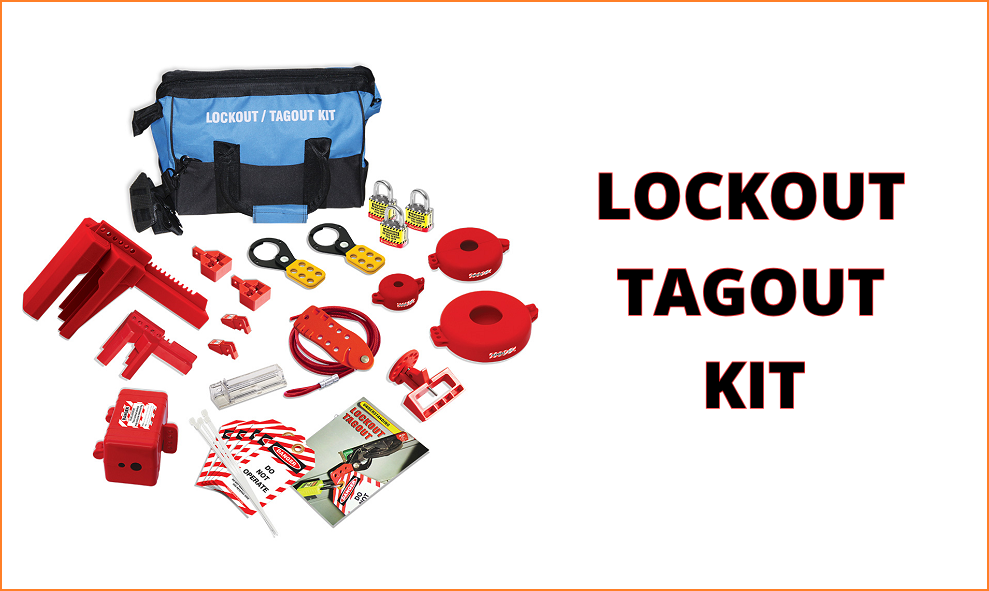
The solution to this logistical nightmare is as simple as it is effective: the All-In-One LOTO Kit. By consolidating every essential device into a single, portable bag, facilities can transform their safety program from a scattered collection of parts into a mobile, high-readiness command center.
Efficiency in Motion: The Case for Portability
Industrial facilities are massive, and time spent hunting for equipment is time lost in production. An integrated LOTO kit eliminates the “hide and seek” game that often plagues maintenance shifts. When a technician carries a dedicated bag, they are empowered to secure an energy source the moment they reach it.
Beyond saving steps, portability ensures that the right tools are actually used. When the correct valve cover or circuit breaker lock is already in hand, compliance becomes the path of least resistance. It turns a complex safety protocol into a streamlined, five-second reach into a bag, keeping the team safe and the production schedule on track.
The Anatomy of a Comprehensive Kit:
A truly ultimate lockout tagout kit isn’t just a bag full of random locks; it is a curated collection of hardware designed to handle 99% of energy isolation scenarios. Here is what should be inside:
The Foundation (Padlocks & Tags):
A set of high-visibility, individually keyed safety padlocks and heavy-duty, weather-resistant tags. These are the “who, what, and why” of any lockout.
The Group Multiplier (Hasps):
Steel or non-conductive hasps that allow multiple workers to secure a single point. This is the cornerstone of team-based safety.
The Electrical Shield:
A variety of circuit breaker lockouts (from miniature “pin-in” designs to large clamp-on toggles) and electrical plug covers. These neutralize the “invisible killer” – electricity.
The Mechanical Barrier:
Gate valve covers and ball valve lockouts to handle hydraulic, pneumatic, and steam pressure.
Standardizing Safety and Compliance:
From a regulatory standpoint, OSHA (and similar global standards) requires LOTO devices to be standardized and identifiable. An all-in-one kit makes this incredibly easy to manage. When every member of the maintenance team carries the same kit, the training becomes simpler, and the visual communication across the plant becomes uniform.
A red lock always means the same thing, and a specific tag layout is instantly recognizable. This level of standardization reduces the cognitive load on workers, making it much harder to make a mistake during a high-stress repair or a complex shutdown.
Tailoring the Bag to the Trade:
While a “General Combo Kit” is perfect for most facilities, the best all-in-one solutions are often tailored to specific roles.
- The Electrical Kit: Heavy on breaker locks, fuse lockouts, and non-conductive padlocks.
- The Mechanical Kit: Focused on valve covers, cable locks, and flange isolation tools.
- The Contractor Kit: A versatile mix designed for third-party teams who never know exactly what kind of machine they will encounter next.
Conclusion: A Mobile Commitment to Safety
Investing in all-in-one LOTO kits is more than just a procurement decision; it’s a strategic move to build a “ready-for-anything” safety culture. It signals to your team that their time is valued and their safety is non-negotiable.
By putting “everything they need in one bag,” you remove the excuses, the delays, and the risks associated with missing equipment. In the end, the ultimate LOTO kit is the most reliable barrier between a routine shift and a life-altering accident. It’s not just a bag of tools – it’s the peace of mind that comes with being fully prepared.